Charlie Card Data Distribution Based on Business Analysis and Information Engineering
Client
Green Line Tram Services
Problem Statement:
The current CharlieCard system poses daily challenges—cards get lost or damaged, kiosks have long lines during peak hours, and not all stations offer reload options. Many riders, including myself, have wondered why managing transit cards can’t be as easy as managing a debit card on a phone. That question became the foundation of this project. I was approached by Professor Deborah at Northeastern University to rethink the CharlieCard experience, and I took on the challenge of designing a mobile application that offers secure, convenient, and accessible fare management for all MBTA riders.
Vision:
The vision at the MBTA is to redefine public transportation for the digital age by providing a seamless, innovative, and user-centric experience. The mobile CharlieCard application will empower riders to manage their transit needs anytime and anywhere. Beyond digitizing the CharlieCard, we aim to create an integrated platform that enhances accessibility, security, and convenience, positioning Boston as a leader in smart urban transit solutions.
Scope:
This project involves designing and developing a mobile app that replaces the physical CharlieCard with a secure digital version. The app allows users to track balances in real-time, reload remotely, and pay using contactless NFC technology. It also includes multi-factor authentication to ensure secure, seamless transit access.
Objectives:
The mobile application is designed to enhance rider convenience by eliminating the need for physical CharlieCards, allowing users to check balances, reload, and view transaction history anytime, anywhere. By integrating contactless payments and offering personalized travel updates and alerts, the app streamlines the boarding process and elevates the overall transit experience. Accessibility and inclusivity are also central to the design, with built-in features that support multilingual use and accommodate riders with diverse needs, ensuring a seamless and equitable experience for all.


Key Stakeholders:
The success of the CharlieCard digital transformation depends on close collaboration with key stakeholders riders for user-driven design, MBTA staff and leadership for implementation and oversight, accessibility advocates to ensure inclusivity, technology partners for development, city officials for regulatory alignment, and financial stakeholders to support funding and sustainability.
Virtual Carlie Card:
The virtual Carlie Card Offers a secure digital alternative in addition to the traditional physical card, sorted on mobile devices. This feature mitigates issues like loss, damage, and theft, allowing users to access their balance and make payments effortlessly anytime, anywhere.

Real-Time Balance Management:
Remote Reloading:
Contactless Payment:

Week 1: Project Launch, Initial Assessment and Planning:
I kicked off the project by defining key challenges and aligning objectives around improving MBTA’s payment experience. I conducted independent brainstorming to refine the scope and mapped out a clear project timeline. My initial research focused on pain points like the inconvenience of physical CharlieCards, limited reload access, and kiosk inefficiencies. I evaluated alternative solutions like credit card and Apple Pay tap systems, but identified a mobile app as the most effective. To support this direction, I planned surveys and rider interviews to gather real user insights and ensure the solution would be both data-driven and user-centered.
Splash and On-boarding Screens:


Week 2 : Survey and Analysis:

In the second week, I conducted detailed surveys and stakeholder interviews to validate assumptions and define core requirements for the digital CharlieCard. I gathered feedback from a diverse set of riders, commuters, students, seniors, and people with disabilities as well as MBTA staff and accessibility advocates. Key pain points included the inconvenience of reloading cards at kiosks, risk of losing physical cards, and lack of accessible features. There was strong interest in a mobile app with real-time balance updates, contactless payments, and accessibility tools like screen reader support. I also identified preferred communication channels, with riders favoring social media, email, and in-app notifications. These findings shaped a clear, inclusive direction for the system’s next phase of development.


Week 3: Solution Planning and Implementation:
This week, I focused on translating user insights into a concrete, phased implementation plan for the Digital CharlieCard system. I prioritized high-impact features like online reloading, real-time balance tracking, and card security. I gathered additional feedback from students, commuters, and transit authorities to align the solutions with user expectations and compliance standards.
I outlined a phased rollout: starting with mobile app design and beta testing, followed by backend integration, and ending with full deployment. I also planned resources for development, marketing, and training. A detailed testing and risk mitigation strategy was put in place to ensure reliability and adoption. Communication plans—including social media, email, FAQs, and helplines—were designed to keep users informed, while in-app feedback tools and post-launch surveys will guide continuous improvement.
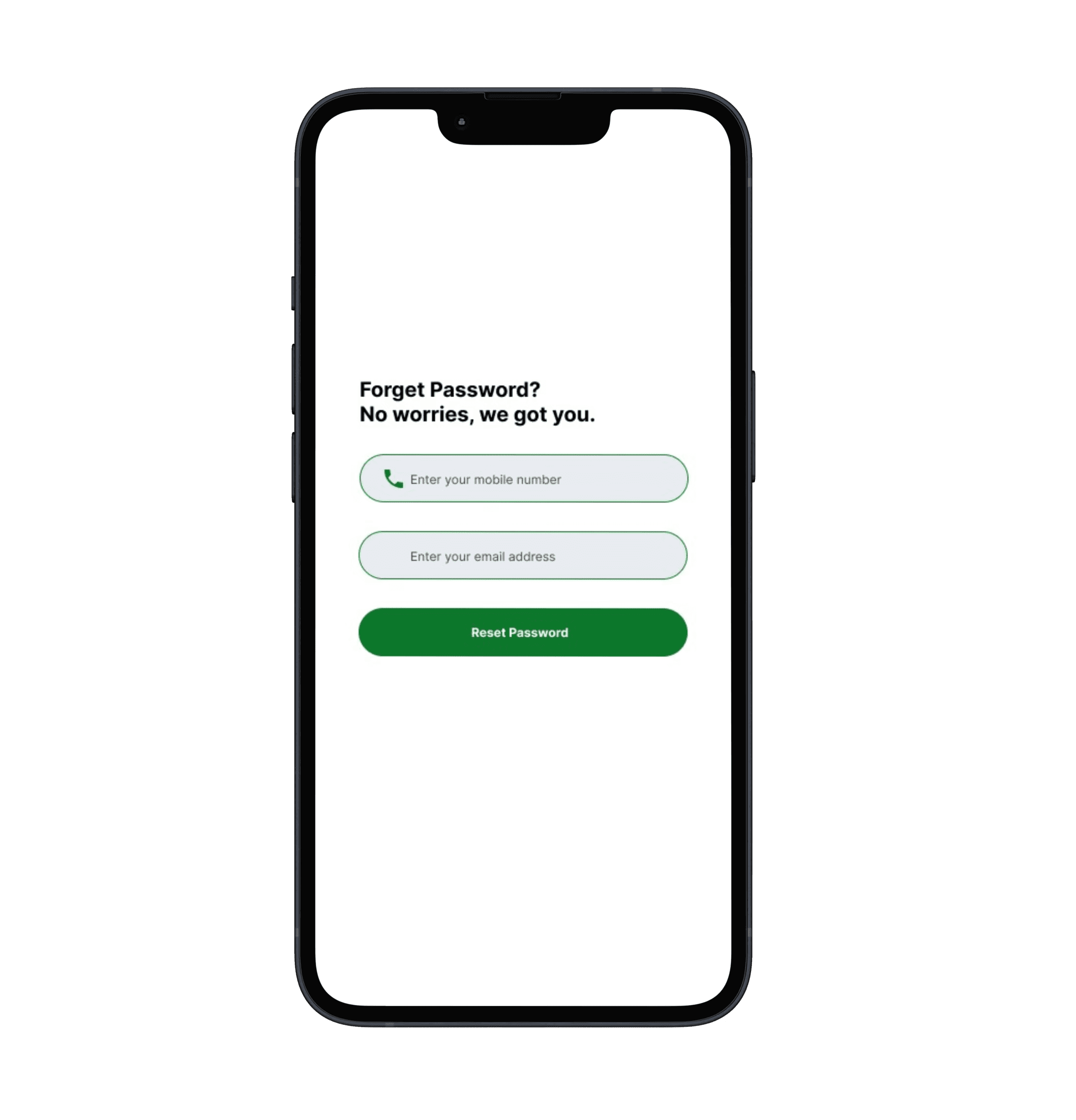
Proposed UI for the Mobile App:

Week 4 : Execution and Continuous Improvement:
In Week 4, I led the initial rollout of the Digital CharlieCard to a selected group of 5,000 riders representing diverse user types—commuters, students, seniors, and occasional travelers. This limited launch allowed me to closely monitor system performance and catch issues early without affecting the wider public. I coordinated 24/7 backend support to track transactions, app responsiveness, and feature usage in real-time.
I actively collected user feedback through in-app surveys, discussion groups, and social media to identify friction points and areas for improvement. When problems surfaced, I worked with the technical team to address them quickly and thoroughly test fixes before pushing updates. As confidence in the system grew, I began expanding access and ensured the support team stayed trained on new features. My focus remained on delivering a smooth, reliable transition to a fully digital experience for all MBTA riders.
Success measurement:
To measure the success of the Digital CharlieCard system, I established a multidimensional evaluation framework that goes beyond just launching the technology. My goal is to track real improvements in rider experience, operational efficiency, and long-term adoption through clear, data-driven performance indicators.
Adoption is the first milestone I am targeting 40% of users to shift from physical to digital cards within the first three months. I will monitor app usage, feature engagement, and user retention to ensure we’re meeting commuter needs. System performance is equally critical, with defined goals of 99.9% uptime, sub-two-second transaction speeds, and a 99% tap success rate across all gates and buses.
User satisfaction will be measured through regular surveys and app store feedback, aiming for an 85% satisfaction rate and 4.5+ star ratings. I will also track reduced wait times at stations, targeting a 50% cut at fare machines and fewer support tickets around card issues. My plan includes reducing customer service load by 30% and improving self-resolution through the app. Finally, I will track usage data to guide future updates and quantify environmental impact by monitoring reductions in plastic card production and paper receipts, small but meaningful steps toward a more sustainable transit experience.
Future Scope:
Looking ahead, I see tremendous potential for enhancing the Digital CharlieCard system through emerging technologies. One of the most impactful upgrades could be the integration of an AI-powered chatbot within the app. This would allow riders to get instant, 24/7 support for common questions like checking balances, finding routes, or troubleshooting issues, without needing to call customer service or scroll through lengthy FAQs.
Another valuable enhancement would be smart card management features that allow users to manage multiple transit passes from a single screen. This would simplify life for families, allowing parents to monitor and reload their children’s cards, or for professionals to manage personal and work-related travel more efficiently.
To improve navigation, I envision integrating interactive T line maps directly into the app, offering clear, visual guidance for trip planning. Combined with real-time vehicle tracking, riders could make better decisions based on live arrivals, traffic conditions, and weather. This would drastically reduce wait times and bring more predictability to the daily commute.
In the long term, I see this system evolving to support personalized travel alerts, event ticketing, and partnerships with local venues, offering a truly connected city experience. As Boston grows, the Digital CharlieCard can grow with it making transit smarter, more inclusive, and future-ready.